I don’t think I ever consciously decided to make a ginger cinnamon tea ritual. It started on one of those evenings when I was too tired to make a proper decision about anything, so I pulled the ginger from the bottom of the refrigerator drawer and a cinnamon stick that had been sitting in the spice cabinet for the better part of a year, and boiled them together because it seemed simpler than thinking. I drank this tea and felt something settle in me, like I had been slightly out of focus and something had finally found its place.
I have tried a lot of things for that feeling. The wellness industry makes beautiful boxes of calming tea specifically for people in the state I was in, and I went through a period of buying most of them. They tasted like good intentions and not much else. The ginger cinnamon combination is different because it asks something of you, and ginger is not a polite flavor. You feel it traveling down your throat and into your chest, bringing your attention with it, which is what I actually need when my thoughts are running in circles at eleven in the evening and I have forgotten that I have a body.
The cinnamon does something more understated. Where the ginger is insistent, the cinnamon fills the room in a way that makes the urgency of ten minutes ago start to feel slightly less convincing. I have stood over this pot on evenings when I was genuinely overwhelmed and found that by the time I strained ginger cinnamon tea into a mug, something in me had loosened just enough to continue.
Ginger cinnamon tea benefits: What the cup is actually doing
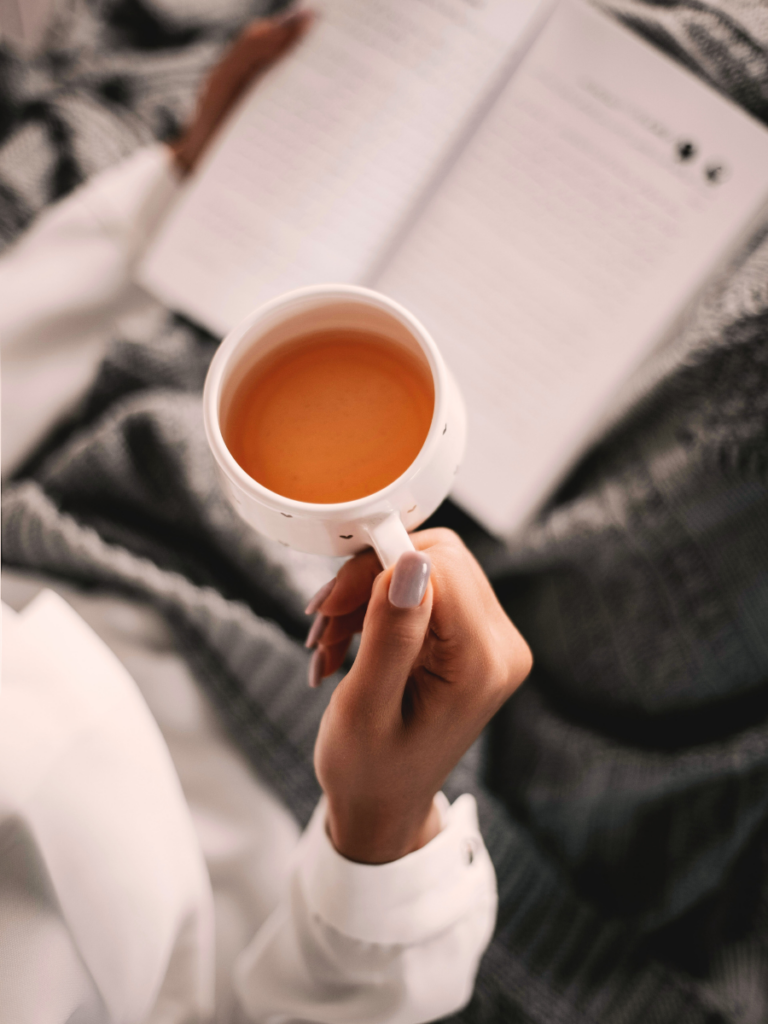
I don’t drink this tea for comfort alone. Ginger and cinnamon together feel purposeful, almost corrective. On evenings when I have eaten too fast or carried the day’s stress in my stomach, sometimes, it makes me feel sluggish or slightly irritable for no reason I can name. Science, of course, explains what I am sensing.
I have read that ginger contains compounds called gingerols that reduce inflammation and help digestion along, and that cinnamon improves insulin sensitivity, which in plain terms means it smooths out the energy peaks and drops that make certain afternoons feel unreasonably hard. I think about those 3 pm hours sometimes, how I used to assume the heaviness that descended then was a character flaw of some kind, proof of some deficiency in discipline or sleep or something I wasn’t getting right. It is strange to realise it was just blood sugar finding its floor, and stranger still that a cup of something you brew in five minutes can do more for that particular hour than the second coffee I used to reach for, which only made everything worse and louder.
I drink this tea and somewhere in the hour that follows, something loosens, and the evening stops feeling like something to get through.
The psychology of spices
There is a psychological comfort to ginger cinnamon tea that goes beyond what the biology explains. Something about consuming heat from the inside feels protective, almost instinctive. Ginger bites back a little when you drink it, and that first sip pulls you out of your head and into your body, which is sometimes the only thing you actually need.
In Ayurveda this is called digestive fire, the idea that internal heat processes our experiences as much as our food, and on days when I feel emotionally stuck, this tea feels like it gets something moving again.
Ginger cinnamon tea recipe: How I make it, and why the way I make it matters
I firmly believe that ginger cinnamon tea ritual is part of medicine, and fresh ingredients are what make it work. You could buy a teabag, but the flavor of dried dust in a paper sachet simply cannot compare to the oils released from fresh roots and bark. It takes 5 minutes, and the aroma that fills your kitchen is worth the effort alone.
To make two cups of ginger cinnamon tea, I use three pieces of fresh ginger washed and pressed flat with the back of a knife, skin left on because it holds the flavor. One whole cinnamon stick goes in with the water, I bring it all to a full boil, then lower the heat and let it sit for four or five minutes until the water turns a deep amber. I strain it into my heaviest mug, the one that holds warmth long enough to matter.
Those five minutes at the stove are part of what the tea does, and I think this is worth saying plainly. I am not meditating or practicing anything formal. I am just standing in my kitchen with my phone on the counter, watching the color change in the water, with nothing required of me except to stay there until it is ready. That small stretch of nowhere to be is more restorative than most things I have tried.
The best times to drink ginger cinnamon tea (and my confession)
There are reasonable times for this tea. A cup in the morning before food, when digestion needs to wake up without the jolt of caffeine. A cup around mid-afternoon, right at the hour when everything feels slightly hopeless for no particular reason. A cup after a heavy dinner when the body needs to move things along before sleep.
But I don’t hold myself to this on harder days. On the days when I am drinking this for comfort rather than function, I brew when I need to and don’t keep score. The only rule I respect is the limit of two to three cups, because ginger in excess can cause heartburn and cassia cinnamon, which is the common variety, contains coumarin, a compound that is unkind to the liver in large amounts. Knowing this is also part of the ritual for me, where you care for yourself carefully enough to know where the edges are.
Other ginger cinnamon tea recipes
The base I described is mine, but I have spent a fair amount of time reading about what other people do with it, and some of these ginger cinnamon tea recipes are worth passing on to you.
For anxious days, a long strip of fresh orange zest dropped into the pot while it simmers seems to lift the whole drink. The essential oils from the skin change the character of the ginger, softening the earthiness into something brighter and less heavy. I think this would be useful on the days when you need the tea to pull you upward rather than settle you, when the feeling you’re carrying needs air more than stillness.
For sleep, a small amount of freshly grated nutmeg stirred into the finished cup. Nutmeg has been used in Indian kitchens as a mild sedative for as long as I can remember, the kind of knowledge that travels through kitchens, grandmother to mother to whoever is standing at the stove now. It is said to make the drink taste creamy and almost sweet, and I imagine drinking it in bed with the lights already low.
On groggy mornings, half a lemon squeezed in just before drinking apparently shifts the liquid from amber to a pale glowing yellow, and the whole cup wakes up with it. The ginger sharpens, the sweetness of the cinnamon recedes, and the drink asks something of you rather than offering comfort, which is what certain mornings require.
After a heavy meal, a handful of fresh mint was added in the last minute of simmering. The mint and the ginger are said to balance each other well, the heat of the ginger doing the digestive work while the mint keeps the drink from feeling like too much.
Your turn to pour
I haven’t tried all of ginger cinnamon tea recipes myself, but they came from sources I trust, and I’d be curious to know if any of them find their way into your kitchen. If you do make it, I would love to hear how it felt to slow down for the process. Or perhaps you have a completely different liquid anchor. What is the one drink you turn to when the world feels too loud and you need to feel grounded? I am always looking for new ways to find warmth, so please, share your rituals in the comments below.