There are certain flavors that feel less like food and more like a return to safety. For me, that flavor is the sharp, earthy heat of ginger mixed with the woodsy sweetness of cinnamon in one powerpack thing: ginger cinnamon tea. It is a simple combination, one that has been used for centuries in kitchens far older than mine, but it has become my most reliable daily ritual.
I often turn to ginger cinnamon tea when I feel untethered. It might be a heavy afternoon, or a late evening when my mind refuses to stop spinning from the day’s demands. Brewing a pot changes the atmosphere of the room. The scent of boiling cinnamon bark seems to cut through the stale air, and the act of peeling fresh ginger forces me to stop rushing and pay attention to my hands. It is my favorite way to care for myself, as it asks so little but gives so much in return.
Ginger cinnamon tea benefits: More than just a sip of warmth
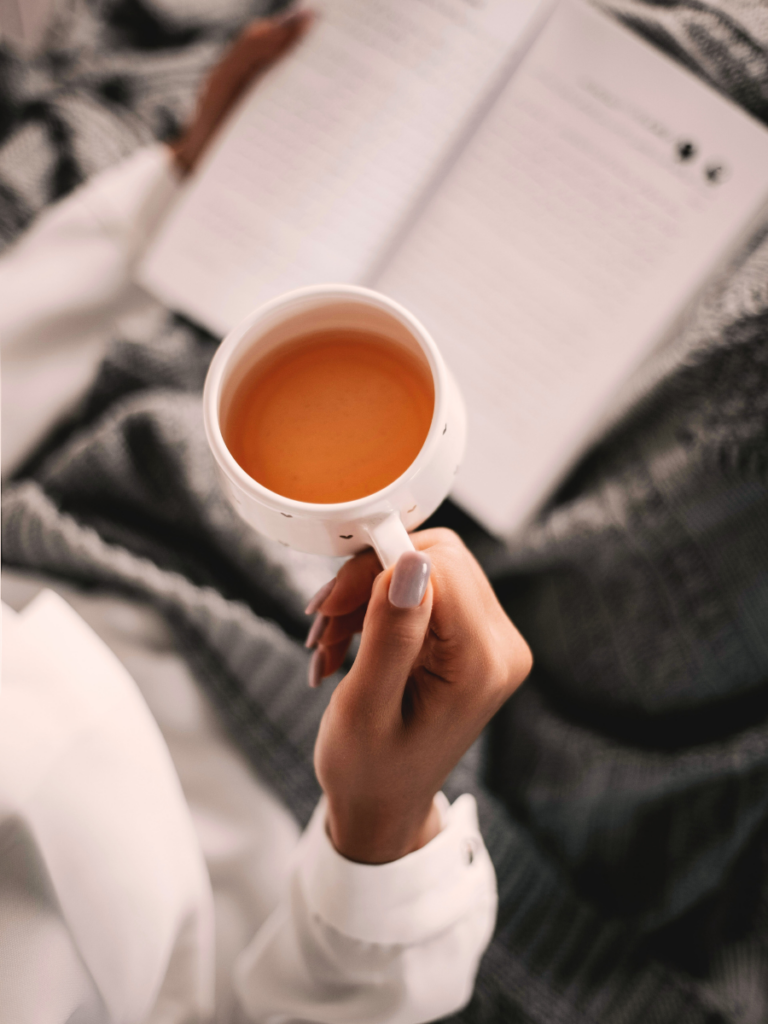
I don’t drink this tea for comfort alone. Ginger and cinnamon together feel purposeful, almost corrective. When stress knots my stomach or I have eaten too quickly, there is a quiet heaviness that lingers. This blend interrupts it. The warmth moves inward, loosening tension and restoring a steadier rhythm to my digestion. It feels less like indulgence and more like recalibration.
Science, of course, explains what I am sensing. Ginger supports digestion and reduces inflammation; cinnamon steadies blood sugar and improves circulation. Yet knowing the mechanisms does not lessen the experience. If anything, it deepens my respect for it.
As noted by Medical News Today, ginger contains gingerols, compounds known for their anti-inflammatory properties and their ability to ease digestion and nausea. It signals the digestive system to relax and function efficiently. Cinnamon’s role is equally grounding. Healthline highlights its capacity to improve insulin sensitivity and stabilize blood sugar levels. For women especially, whose energy and clarity often mirror glucose balance, this stability matters. By the last sip, I feel more anchored than ever. My mental fog thins and restlessness in my body loses its urgency.
The psychology of spices
Beyond the biology, there is a psychological comfort to ginger cinnamon tea that I cannot ignore. Almost like an instinct, where consuming something that creates internal heat feels like a form of protection.
Ginger isn’t a passive flavor, but bites back a little. It wakes you up. When I take that first sip, it pulls me out of my head and into my body. I can feel the warmth traveling down my throat, settling in my chest. A grounding experience worth experiencing!
This action reminds me of the concept of digestive fire in Ayurveda: the idea that we need internal heat to process not just our food, but our experiences. On days when I feel emotionally stuck or overwhelmed, this tea feels like it gets things moving again.
Ginger cinnamon tea recipe
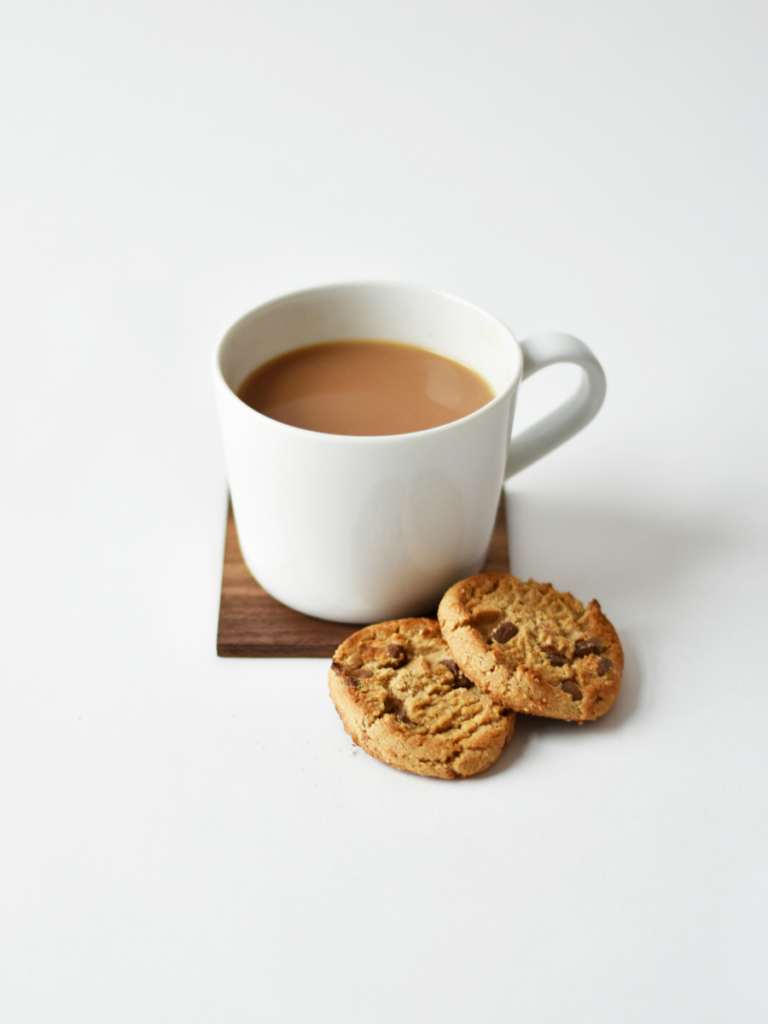
I firmly believe that the tea ritual is part of medicine. You could buy a teabag, but the flavor of dried dust in a paper sachet simply cannot compare to the oils released from fresh roots and bark. It takes 5 minutes, and the aroma that fills your kitchen is worth the effort alone.
The ingredients I use:
- Fresh ginger: I use 2-3 medium/long ginger pieces. I don’t even bother peeling it perfectly; just wash it, sieve or smash it with the back of a knife to release the juices.
- Cinnamon stick: I use a whole stick (Ceylon cinnamon is sweeter and milder if you can find it). Powder tends to become slimy and doesn’t infuse as well.
- And of course, the usuals: water and sugar.
- Optional: A slice of lemon or a teaspoon of raw honey.
The method:
After adding the usual ingredients, I add the ginger and cinnamon stick in a small pot with the water and bring it to a rolling boil. Once it bubbles, I turn the heat down to the lowest simmer. This is the important part: I let it sit there, quietly simmering, for at least 3-5 minutes. The water will turn golden amber. I strain it into my favorite heavy mug. Sometimes, if I need sweetness, I stir in a little honey, but often I drink it plain to appreciate the sharp, clean heat of the ginger.
The best times to drink ginger cinnamon tea (and my confession)
To my displeasure, the science community has given specified times about when to drink ginger cinnamon tea.
- A cup of ginger cinnamon tea in the morning wakes up a sluggish digestion without the shock of caffeine.
- In the mid-afternoon, right around that 3:00 PM slump, it lifts your energy when you might otherwise reach for sugar.
- And in the evening, after a heavy meal, it signals to the body that the day is done, aiding digestion so you can sleep without feeling heavy.
But on some days, I abandon the schedule entirely. When I need extra comfort, I brew a fresh pot whenever the mood strikes. The ritual matters! But even with my love for it, I practice moderation. My spirit may want a gallon of this tea, but I respect the limit. Because what heals in the right measure can irritate in excess. Most health experts suggest limiting it to 2-3 cups a day.
In moderate amounts, ginger supports digestion, reduces inflammation, and eases nausea by stimulating gastric motility. Cinnamon helps regulate blood sugar, improves insulin sensitivity, and promotes circulation. But too much ginger can trigger heartburn, and excess cassia cinnamon may strain the liver over time due to its coumarin content. That’s why respecting that boundary is also a part of the ritual too.
Other ginger cinnamon tea recipes
One of the reasons I love ginger cinnamon tea is its forgiveness. It is a sturdy base that welcomes other ingredients depending on what the body needs that day. Over the years, I have developed a few specific variations of ginger cinnamon tea recipe that I rotate through depending on the season or my mood.
For dealing with anxiety: Fresh orange peel
On days when I am feeling heavy or anxious, the earthiness of ginger can sometimes feel a bit too grounding. In those moments, I need something to lift the spirit. I take a vegetable peeler and slice a long strip of fresh orange zest (trying to avoid the bitter white pith) and drop it into the pot.
It releases the essential oils from the skin, filling the kitchen with a bright, citrusy aroma. The orange cuts through the spice, adding a high note of freshness. It tastes lighter and less intense; perfect for when you need to clear your head rather than settle your stomach.
For deep sleep: A pinch of nutmeg
If I am drinking this strictly for sleep, I sometimes grate a tiny amount of fresh nutmeg into the finished cup. Nutmeg is a traditional sleep aid in Indian culture, known for its mild sedative properties. It adds a creamy, nutty aroma that pairs perfectly with the cinnamon, making the drink feel almost like a dessert without the sugar. It’s the culinary equivalent of a weighted blanket.
For brightness: A squeeze of fresh lemon
On mornings when I wake up feeling groggy or heavy, I reach for a lemon. I squeeze half a lemon into the mug right before drinking. You can actually see the chemistry happen: the acidity turns the deep amber liquid into a pale, glowing yellow. The taste shifts immediately from cozy to awakening. The sharp citrus cuts through the heat of the ginger, acting as a palate cleanser. It’s my go-to addition when I need a hit of Vitamin C to ward off a sniffle.
For a settled stomach: Fresh mint leaves
If I am drinking this after a particularly heavy or rich meal, I often toss a handful of fresh mint leaves into the pot during the last minute of simmering. The combination might sound contradictory, hot ginger and cooling mint, but they balance together beautifully. The ginger provides the heat to digest the food, while the mint provides a cooling, refreshing finish that prevents heartburn. It makes the tea feel lighter, almost like a spa treatment for the digestive system.
But mostly, I keep it simple. I let go of any sense of artificial urgency; stand over a stove and smell the steam of ginger cinnamon tea as a small act of reclamation. And in this tea ritual, I usually find the calm I am looking for.
Your turn to pour
I hope this encourages you to walk into your kitchen today, ignore the notifications for ten minutes, and simply start chopping ginger. The scent alone is enough to change the mood of your afternoon. So, give this ginger cinnamon tea a try.
If you do make it, I would love to hear how it felt to slow down for the process. Or perhaps you have a completely different liquid anchor. What is the one drink you turn to when the world feels too loud and you need to feel grounded? I am always looking for new ways to find warmth, so please, share your rituals in the comments below.